One loan that buys and fixes
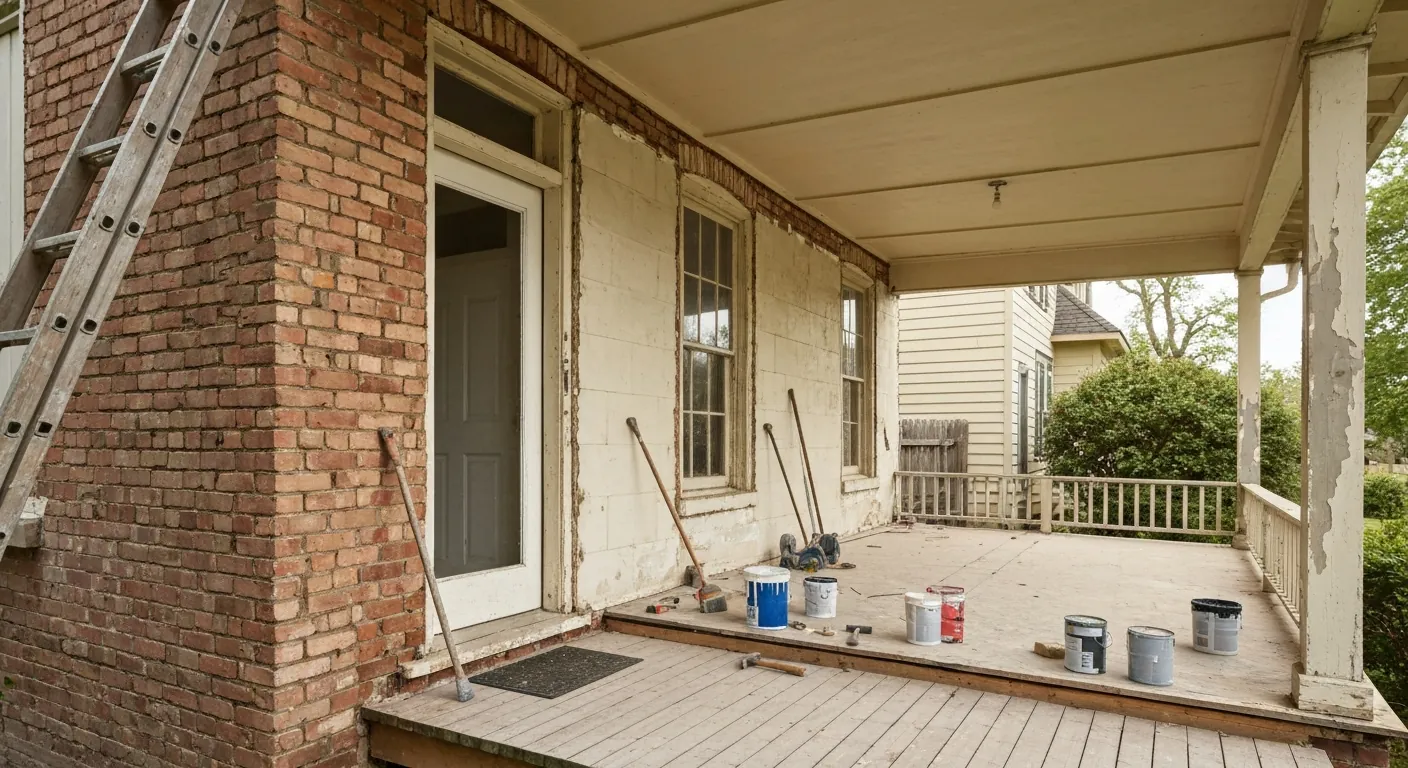
A fixer-upper creates a chicken-and-egg problem: a standard mortgage will only lend on the home as-is, but the home needs work to be worth (or even financeable at) the price. Renovation loans solve it. Both the FHA 203(k) and the Fannie Mae HomeStyle roll the purchase price and the cost of the renovation into one mortgage, based on what the home will be worth after the work is done — so you don't need a separate construction loan or a pile of cash for the project.
FHA 203(k): the government-backed option
The 203(k) is insured by the Federal Housing Administration, so it carries FHA's hallmark flexibility: lower credit thresholds and a low down payment. It comes in two flavors — a Limited 203(k)for cosmetic and non-structural repairs up to a published cap, and a Standard 203(k) for structural or major work, which requires a HUD-approved 203(k) consultant to scope and oversee the project. Like any FHA loan, it carries mortgage insurance.
HomeStyle: the conventional option
The Fannie Mae HomeStyle renovation loan is conventional rather than government-backed. Two things set it apart: it allows a wider range of projects — including improvements the 203(k) won't fund, like certain luxury features — and because it's conventional, its private mortgage insurance can be removed once you reach about 20% equity, instead of staying for the life of the loan. HomeStyle generally expects a stronger credit profile to qualify.
Which one fits which project
Here's the short decision guide:
- Lean FHA 203(k) if your credit is still being rebuilt, your down payment is tight, and the work is repairs and updates that make the home safe and livable.
- Lean HomeStyle if your credit is strong, the project is more extensive or includes features the 203(k) won't cover, and you want the mortgage insurance to eventually fall off.
Both are owner-occupant programs, both fund the work through draws released as it's completed and inspected, and both carry renovation-specific costs a standard mortgage doesn't.
Taking the next step on a TN fixer-upper
The cleanest way to choose is to run a specific property and a real scope of work past a licensed loan officer — the amount you can borrow is driven by the after-improved value, and that's a number worth getting right before you make an offer. A soft-credit pre-qualification is the first step and won't affect your score. Renovation loans are subject to eligibility, credit approval, and underwriting; they are not guaranteed approvals or rate offers.