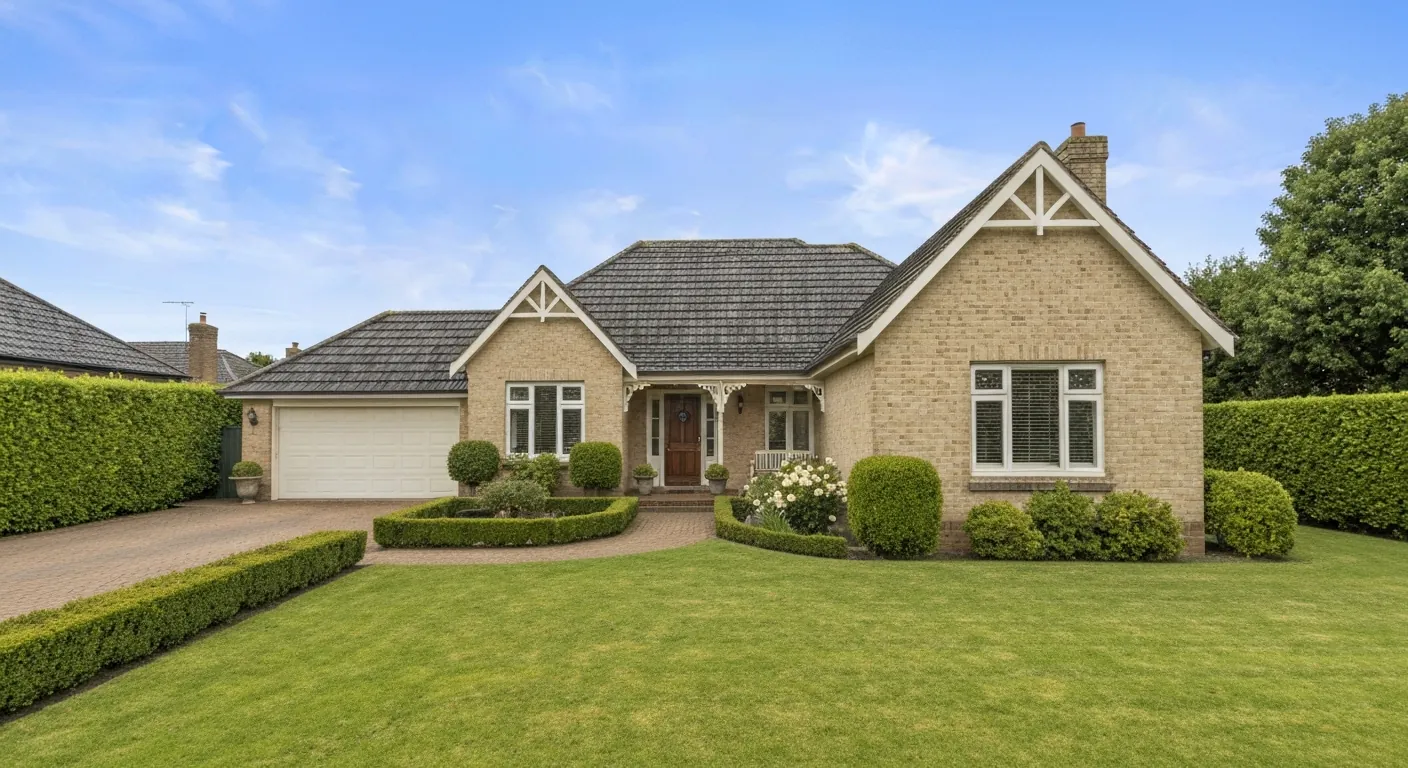
A classic two-story single- home with a lawn, daytime.

Loan programs · Conventional

Conventional Loans: Conforming Limits, 3% Down & PMI

The conventional conforming loan is the most common mortgage in the country — and the one with the most flexibility once you have solid credit. Here's how conforming limits, the low down payment, and cancelable PMI actually work.

See which program fits~10 minutes · soft credit check to start
  • Direct lender — not a call center
  • NMLS #192103
  • Equal Housing Lender
  • Soft credit check to start
Reviewed by Michael Hernandez, Loan Originator · NMLS #192103, on June 17, 2026
5 min readLast updated June 17, 2026Share

Key takeaways

A conventional loan is a mortgage that isn't government-insured and that meets Fannie Mae or Freddie Mac guidelines. When it falls within the annual FHFA conforming loan limit, it's a conforming loan. Many qualified first-time buyers can put as little as 3% down. Private mortgage insurance applies under 20% down but, unlike FHA's, can be canceled as your equity grows — so it doesn't have to last the life of the loan.

Conventional conforming loan — the key parameters

Conventional conforming loan — the key parameters
FactorConventional conforming
BackingNot government-insured; meets Fannie Mae / Freddie Mac guidelines
2025 conforming limit (1-unit, baseline)$806,500 — applies to all Tennessee counties
Minimum down paymentAs low as 3% for many qualified first-time buyers
Mortgage insurance (PMI)Required under 20% down; cancelable as equity grows
Typical credit profileCommonly a 620 minimum score; stronger files see more options
Property usePrimary residence, second home, or investment property

Source: FHFA — 2025 Conforming Loan Limits; CFPB — canceling PMI (Homeowners Protection Act)

What 'conventional' and 'conforming' actually mean

A conventional loan is simply a mortgage that isn't insured or guaranteed by a government program like FHA, VA, or USDA. Most conventional loans are conforming, meaning they meet the underwriting guidelines set by Fannie Mae and Freddie Mac and fall within the annual loan-size limit set by their regulator, the FHFA. Loans that follow those rules can be sold into the secondary market, which is what keeps conventional financing widely available and competitively priced.

When a loan is larger than the conforming limit, it becomes a jumbo loan with its own rules — a separate program we cover on its own page.

The conforming loan limit

The FHFA sets the conforming loan limit each year based on national home-price movement. For 2025, the baseline one-unit limit is $806,500, and because Tennessee has no designated high-cost counties, that baseline applies statewide. A loan at or under that figure (and within Fannie/Freddie guidelines) is conforming; a loan above it is jumbo.

The limit matters because it draws the line between two very different underwriting worlds. If the home you want pushes past it, we'll compare conforming-plus-a-larger-down-payment against a jumbo loan so you can see which is cheaper for your situation.

The low down payment — as little as 3%

A common myth is that conventional loans require 20% down. In reality, Fannie Mae and Freddie Mac both offer programs that let many qualified first-time buyers put down as little as 3%, and 5% to 10% is common for repeat buyers. The 20% figure isn't a requirement — it's the point at which private mortgage insurance is no longer needed.

The trade-off for a lower down payment is PMI, which is the next section. The right down payment for you balances your cash on hand, your monthly payment, and how soon you want PMI to fall off.

PMI that can actually go away

When you put less than 20% down on a conventional loan, the lender requires private mortgage insurance (PMI). The crucial difference from FHA: conventional PMI is not permanent. Under the federal Homeowners Protection Act, you can request PMI cancellation once your loan balance reaches 80% of the original value, and the servicer must automatically terminate it at 78% LTV, provided you're current on payments.

That cancelable PMI is the single biggest structural advantage conventional has over FHA for a borrower with decent credit: you get the low down payment now without paying mortgage insurance for the entire life of the loan.

Who conventional tends to fit

Conventional financing generally rewards a stronger credit profile — the commonly published minimum score is around 620, and higher scores open more program options. It tends to be the better fit when you have solid credit and want PMI you can eventually drop, when you're buying a second home or investment property (which FHA and USDA don't allow), or when you have at least some down payment.

FHA can still win for a thinner credit file or a tighter debt-to-income ratio. There's no universal winner — we run conventional and FHA side by side on your real numbers so you can see the true cost difference before you decide.
Frequently asked questions

What's the difference between a conventional and a conforming loan?

A conventional loan is any mortgage that isn't government-insured (not FHA, VA, or USDA). A conforming loan is a conventional loan that also meets Fannie Mae / Freddie Mac guidelines and falls within the annual FHFA loan limit. Most conventional loans are conforming; a conventional loan above the limit is a jumbo loan with different rules.

How much do I need to put down on a conventional loan?

Less than most people think. Fannie Mae and Freddie Mac offer programs that let many qualified first-time buyers put down as little as 3%, and 5% to 10% is common for repeat buyers. The 20% figure isn't a requirement — it's simply the point at which private mortgage insurance is no longer required.

When does PMI come off a conventional loan?

Under the federal Homeowners Protection Act, you can request PMI cancellation once your loan balance reaches 80% of the home's original value, and your servicer must automatically terminate it at 78% LTV if you're current on payments. That cancelable PMI is a key advantage of conventional over FHA, whose annual mortgage insurance often lasts the life of the loan.

What is the 2025 conforming loan limit in Tennessee?

For 2025, the FHFA baseline conforming limit for a one-unit home is $806,500, and because Tennessee has no designated high-cost counties, that baseline applies statewide. A conventional loan at or under that amount can be conforming; a loan above it is a jumbo loan, which has its own underwriting requirements.

What credit score do I need for a conventional loan?

The commonly published minimum credit score for a conforming conventional loan is around 620, though stronger scores open more options and better terms. Credit is only one factor — lenders also weigh your debt-to-income ratio, down payment, and overall file. If your score is below the conventional line, FHA may be a better starting point, and we'll compare both.

Can I use a conventional loan for a second home or investment property?

Yes. Unlike FHA and USDA, which are limited to a primary residence, conventional loans can finance a primary residence, a second home, or an investment property. The down payment and reserve requirements step up for second homes and investment properties — we cover those on their dedicated pages and confirm the specifics for your scenario.

Part of our Loan Programs guide.

Related guides

Reviewed by Michael Hernandez, Loan Originator · NMLS #192103

Michael Hernandez is a licensed mortgage loan originator with Pacific Bay Lending (Pacific Bay Lending Corp, NMLS #192103), a direct lender serving Tennessee. This guide is general education — not financial advice, a rate offer, or a commitment to lend. Your situation is reviewed individually when you get pre-qualified.

See your real numbers

Get pre-qualified in about 10 minutes — a soft credit check to start, no impact to your score, and no obligation.

Estimate only — not a rate offer, APR disclosure, or commitment to lend. Subject to credit approval and underwriting.

Michael Hernandez, Branch Manager · Pacific Bay Lending Corp NMLS #192103 · Equal Housing Lender. Homes shown are public listings for illustration of what's available in this range — not an offer to make a loan on, or sell, a specific property. This is not a commitment to lend; all loans subject to credit approval, program guidelines, and underwriting.

See which program fits →