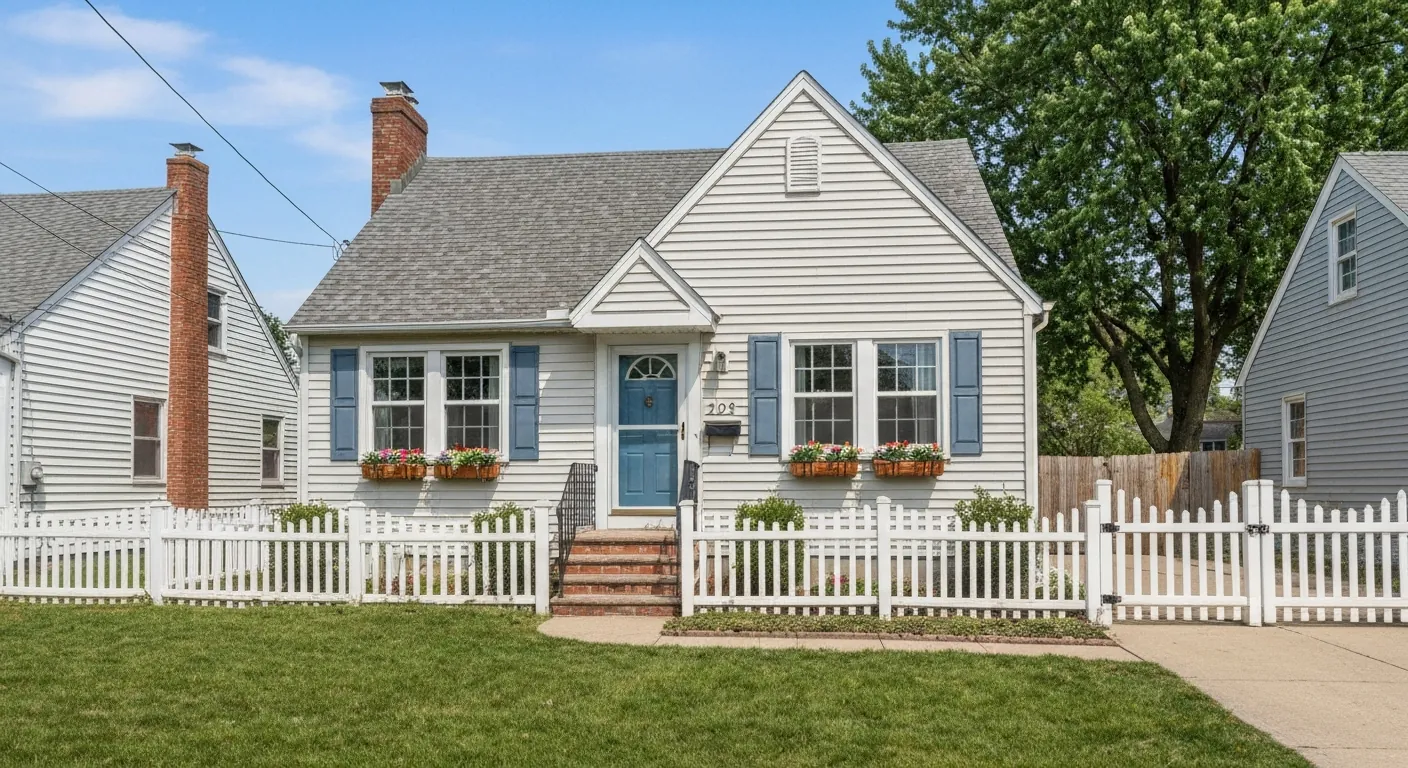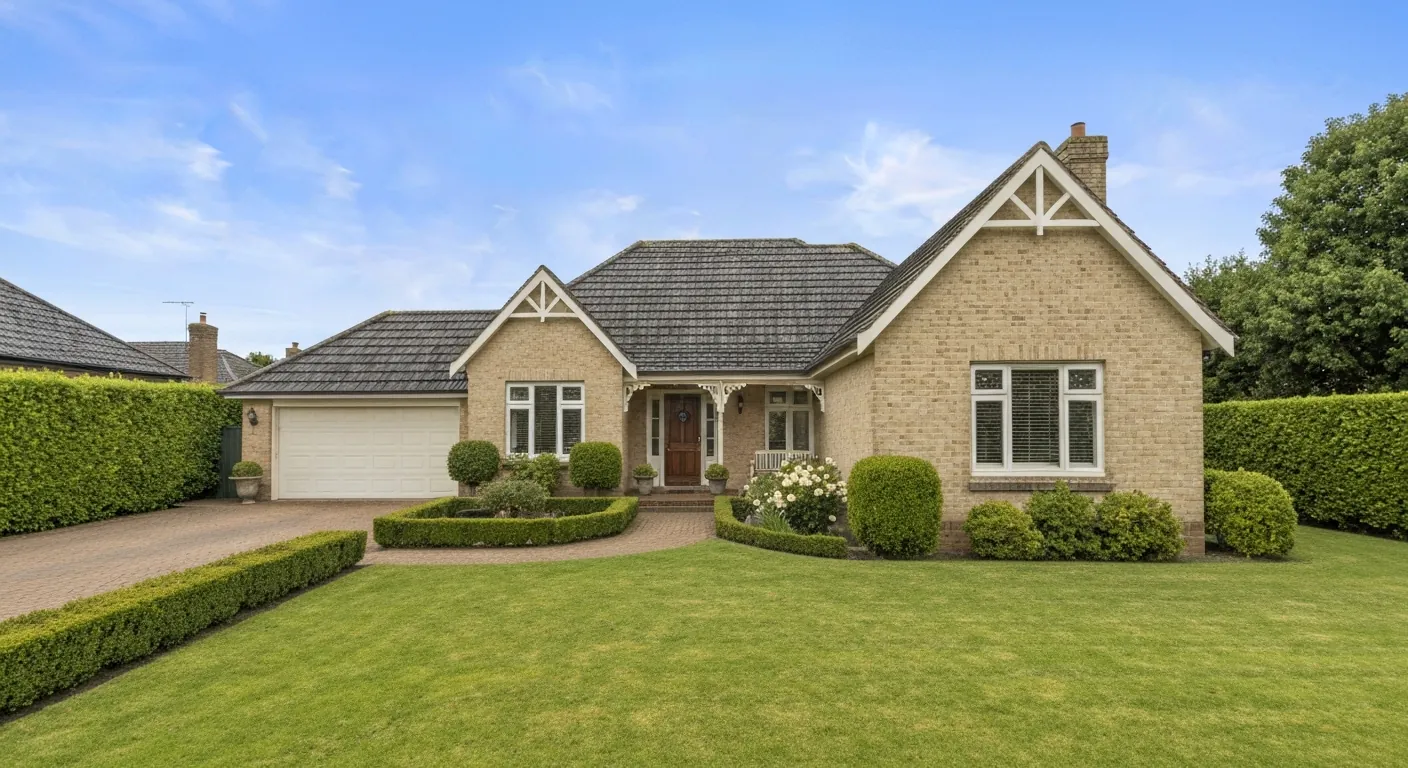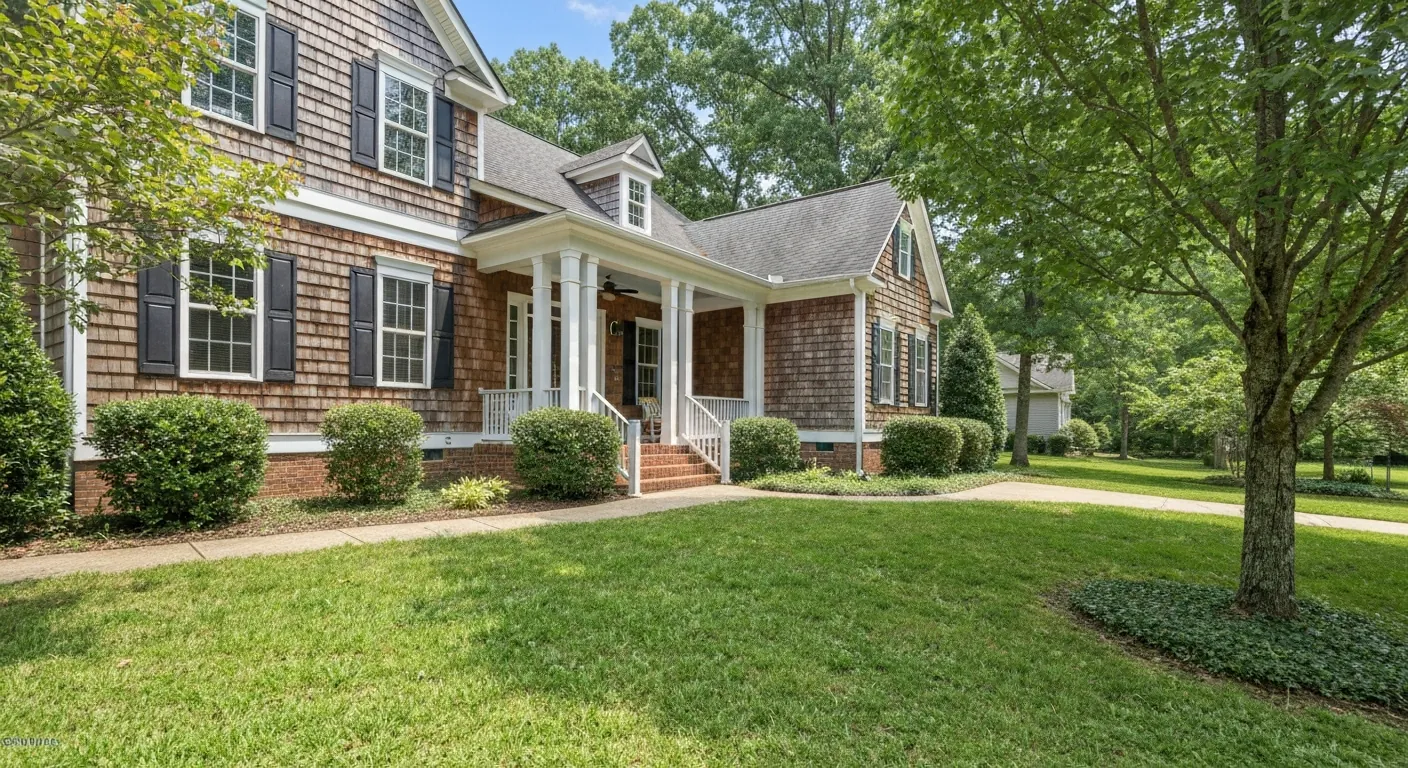
What makes a loan 'jumbo'
A jumbo loan is defined by one thing: its size. When the loan amount is larger than the FHFA conforming loan limit — for 2025, $806,500 on a one-unit home, which is the limit across all Tennessee counties — it can no longer be sold to Fannie Mae or Freddie Mac. That single fact drives everything else about the program.
Because Fannie and Freddie won't buy it, the lender either keeps the loan on its own books or sells it to a private investor. With no government-sponsored backstop, the party holding the loan takes on more risk — and prices that risk into stricter qualifying standards.
Why the bar is higher
A jumbo file is underwritten more conservatively than a conforming one. In practice that usually means a stronger credit profile, a lower debt-to-income ratio, and more documented cash reserves — often several months of mortgage payments left in the bank after closing. Lenders want to see that a borrower carrying a larger payment has real cushion.
Down-payment expectations also step up relative to conforming's 3%-down programs. None of this is a fixed national rulebook — jumbo guidelines vary by investor — which is exactly why a larger file benefits from a lender that will lay out the specific requirements up front instead of after you've fallen for a house.
Conforming-plus vs. going jumbo
When a purchase lands just over the conforming limit, there's often a choice: bring a larger down payment to keep the loan at or under the conforming limit, or take the jumbo loan. The first keeps you in conforming underwriting; the second preserves your cash. Which is cheaper depends on the numbers — the down payment you can spare, the pricing on each path, and how long you'll keep the loan.
This is one of the most valuable comparisons we run, because the right answer can swing thousands of dollars in cash-to-close and monthly payment. We model both before you commit.
Who needs a jumbo loan
You need jumbo financing when the loan amount you need is above the conforming limit — most often on higher-priced homes, or when a smaller down payment would leave the loan over the line. It's a common path in the upper price tiers of the Nashville and Williamson County markets, and it's available for primary residences, second homes, and some investment properties depending on the investor.
The first step is the same as any loan: a pre-qualification that reads your full file and tells you whether you clear the higher jumbo bar — and what, if anything, would strengthen the file before you make an offer.