USDA vs FHA: the short version for Tennessee buyers
USDA and FHA are the two most common low-down-payment government loans I write for Tennessee buyers, and people almost always come in trying to decide between them. The fastest way to settle it is to answer two questions about the actual house: is it in a USDA-eligible rural area, and is your household income under the USDA limit for that county? If both answers are yes, USDA deserves a serious look, because it can mean no down payment at all. If either answer is no, FHA is usually the realistic low-down-payment option.
FHA is the more flexible program by design. It's insured by HUD, has no income ceiling, no rural-area requirement, and accepts credit scores as low as 580 with 3.5% down. That flexibility is why FHA works on a downtown Nashville, Memphis, Knoxville, or Chattanooga address where USDA simply isn't available. USDA, by contrast, is run by the U.S. Department of Agriculture's Rural Development office and is built specifically to finance owner-occupied homes in less densely developed areas — which, in this state, still covers a surprising amount of ground.
Here's the part buyers underestimate: neither program is a shortcut around underwriting. Both require you to qualify on credit history, debt-to-income, documented income, and a property that passes the program's appraisal and condition standards. They lower the down-payment barrier. They do not lower the bar for proving you can repay the loan.
Down payment, credit, and mortgage insurance compared
The biggest practical difference is the down payment. USDA's Guaranteed program allows 100% financing — zero down — for buyers who clear the income and location rules. FHA requires a minimum of 3.5% down at a 580 score, or 10% down in the 500-579 range. On a Tennessee starter home, that 3.5% is often the line between buying this year and saving for another one, so the zero-down USDA option is genuinely valuable when you qualify for it.
Both programs charge mortgage insurance, and this is where I tell buyers to slow down and look closely, because it follows you every month. FHA charges an upfront mortgage insurance premium (you can finance it into the loan) plus a monthly MIP. If you put down less than 10% on FHA, that monthly MIP generally stays for the life of the loan — the only way off it is to refinance out of FHA entirely. USDA charges an upfront guarantee fee plus a smaller annual fee collected monthly, and that USDA annual fee is typically lighter than FHA's monthly MIP. On an equivalent loan amount, that usually makes the USDA payment the cheaper of the two month to month.
Credit flexibility tilts slightly toward FHA. FHA's published floor is 580 for the 3.5%-down tier. USDA doesn't publish a single national minimum score — it leans on the automated underwriting decision plus the lender's own requirements, and most lenders are looking for a comparable range. In practice, the right answer for your file depends on your whole credit picture and your debt-to-income, not one number on a credit report.
- USDA down payment: $0 (100% financing) when the income and location rules are met
- FHA down payment: 3.5% with a 580+ score; 10% in the 500-579 range
- FHA mortgage insurance: upfront premium plus monthly MIP — the monthly MIP usually stays for the life of the loan if you put under 10% down
- USDA mortgage insurance: upfront guarantee fee plus a smaller annual fee collected monthly — typically the lighter monthly cost
- Both let you roll the upfront fee or premium into the loan instead of paying it in cash at closing
USDA eligibility in Tennessee: location and income are hard gates
USDA eligibility comes down to two non-negotiable tests. First, the property address has to fall inside a USDA-designated rural area. Second, your total household income has to be at or below 115% of the area median income for that county — and that counts income from everyone in the household, not just the people on the loan application.
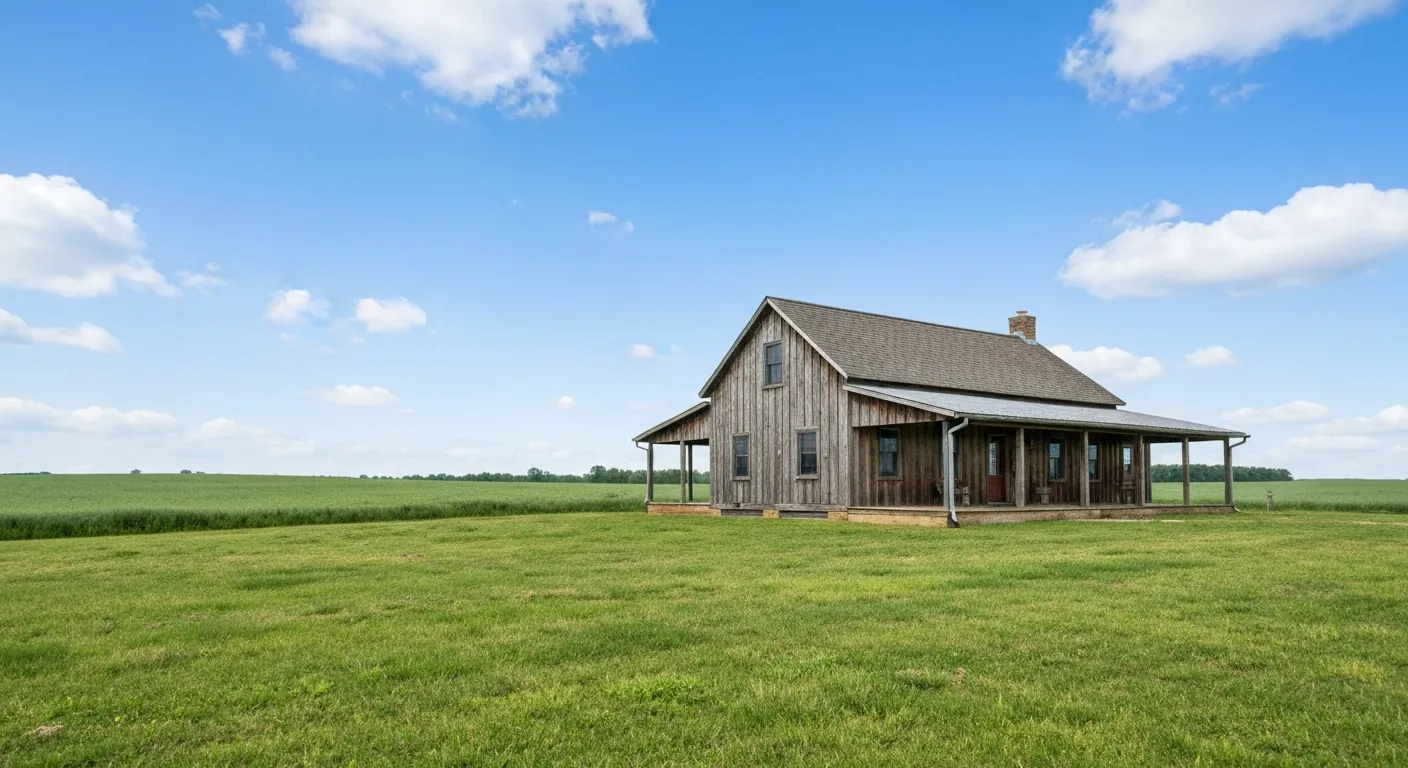
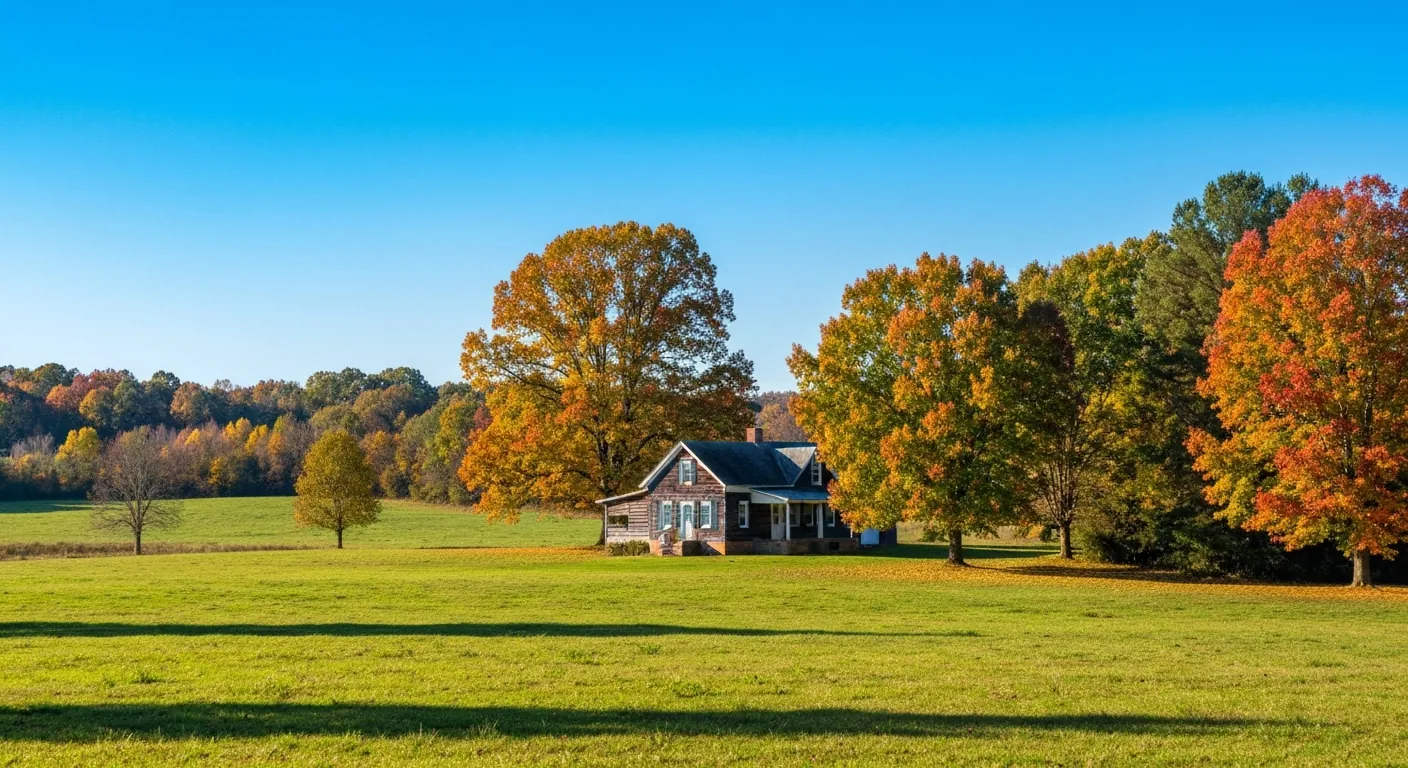
The word "rural" throws people off. USDA-eligible areas in Tennessee are far more than remote farmland. A lot of communities on the outer edges of the Nashville, Knoxville, and Chattanooga metros qualify, the Clarksville area near Fort Campbell has eligible pockets, and large parts of Middle and East Tennessee outside the dense city cores come up eligible. Towns and unincorporated areas in counties like Maury, Robertson, Cheatham, and Dickson frequently show as eligible. The only way to know for certain is to type the exact street address into USDA's property eligibility map. I've literally had two houses across the street from each other where one qualified and the other didn't — eligibility is parcel-specific.
The income limit is the gate that surprises buyers most. Because it counts the entire household and caps at 115% of area median income, a two-income household in a higher-cost Tennessee county can land over the limit even when the home itself is in an eligible area. USDA publishes the exact income limits by county and household size, so check your number against the official table before you assume you qualify.
- Check the exact street address on USDA's property eligibility map — eligibility is parcel-specific, not town-wide
- Confirm household income against the USDA limit for your county and household size (capped at 115% of area median income)
- Income counts everyone in the household, not just the borrowers on the loan
- The home must be your owner-occupied primary residence — no investment or vacation use
- USDA Guaranteed is for single-family primary homes, and the property must meet USDA condition standards
When FHA is the better fit in Tennessee
FHA earns its place the moment USDA's gates close. If you're buying inside the Nashville, Memphis, Knoxville, or Chattanooga city cores, most of those addresses aren't USDA-eligible, so FHA becomes the practical low-down-payment route. If your household income is over the USDA limit for your county, FHA has no income ceiling — a higher income never disqualifies you. And if you're buying a condo or a property type USDA doesn't support, FHA's program may still work where USDA won't.
FHA is also the more forgiving program after a credit setback. It's built to serve first-time and credit-rebuilding buyers, with documented pathways after events like a past bankruptcy or foreclosure once enough seasoning time has passed. Tennessee FHA loans follow HUD's county loan limits, which set the maximum you can borrow; those limits run higher in higher-cost counties like Davidson, Williamson, and Rutherford than in lower-cost rural counties, so your ceiling depends on where you buy. The current limit for your county is a fact worth pulling before you shop.
One more Tennessee-specific angle I work with constantly: FHA pairs cleanly with THDA, the Tennessee Housing Development Agency. THDA's Great Choice loan with a Great Choice Plus second can layer down payment assistance on top of an FHA first mortgage to help cover the 3.5% down and some closing costs. THDA carries its own rules — a minimum credit score of 640, plus household income and purchase-price limits — but when a buyer fits, it softens FHA's biggest disadvantage versus USDA, which is the required down payment.
- You're buying in a metro core where the exact address isn't USDA-eligible
- Your household income is above the USDA limit for the county
- You have a 580+ score and want a flexible government program with no income or location limit
- You want to layer THDA Great Choice Plus down payment assistance (640+ score; income and price limits apply)
- You're rebuilding credit after a past bankruptcy or foreclosure that has seasoned
How to decide — and what to gather before you apply
Start with the address and your household income, because those two facts decide whether USDA is even on the table. Pull the home up on USDA's eligibility map and compare your household income to the county limit. If both clear, run the numbers both ways. A licensed Tennessee loan officer can put a zero-down USDA scenario next to a 3.5%-down FHA scenario side by side — including the difference in monthly mortgage insurance — so you see the real cash-to-close and monthly-payment picture instead of guessing.
If USDA is off the table, the next comparison is usually FHA versus conventional, especially when your credit is strong enough that conventional's cancelable mortgage insurance could beat FHA's lifetime MIP. That's a separate analysis worth doing before you commit to FHA. And THDA assistance can change the math on either path, so factor it in early — not after you're already under contract and scrambling.
Whichever way you lean, the document list is similar: recent pay stubs, two years of W-2s or tax returns (more if you're self-employed), two months of bank statements, and a government ID. Getting pre-qualified first tells you which programs your file actually supports and what price range is realistic — before you fall for a specific house. Just remember pre-qualification is a starting point, not a guaranteed approval; final approval still depends on full underwriting, the appraisal, and the property meeting program standards.