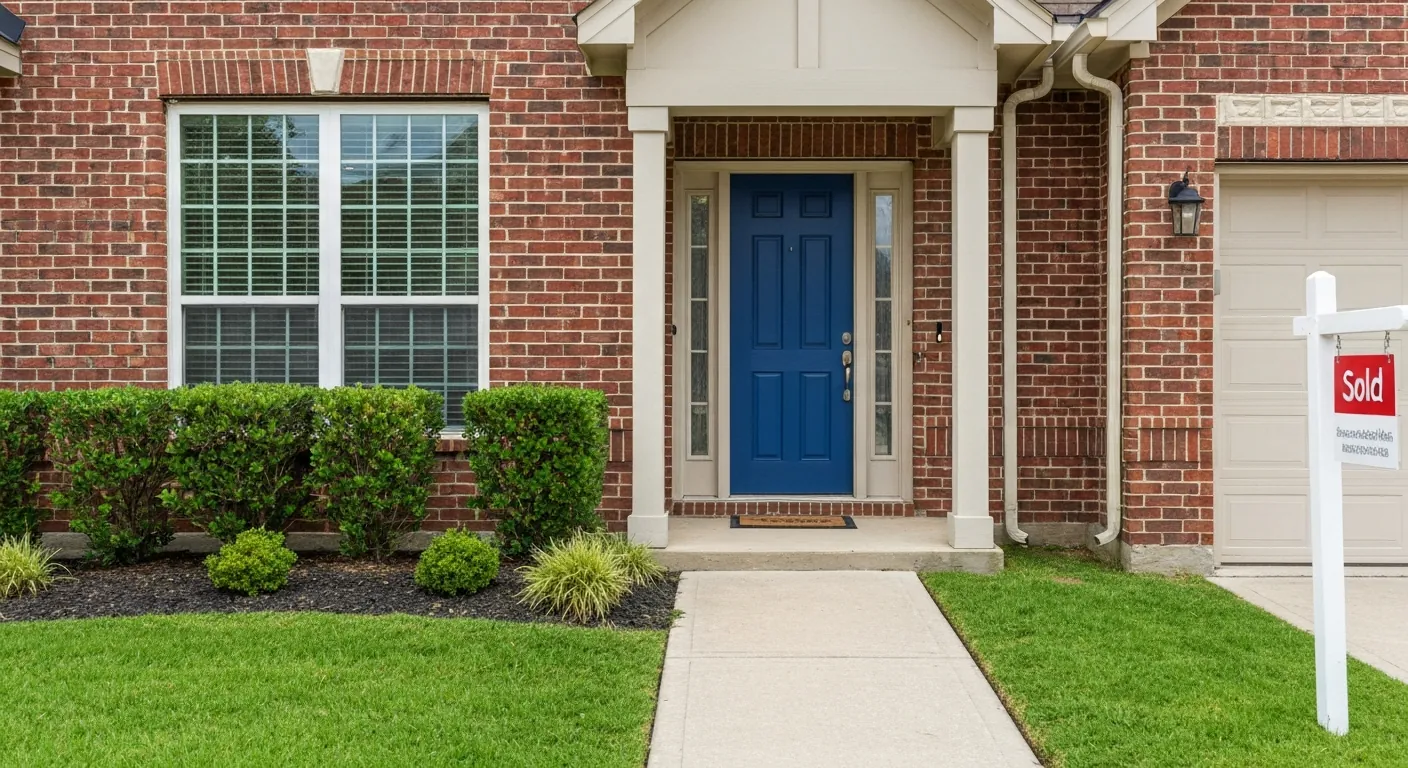
What down-payment assistance actually does
For most first-time buyers the hurdle isn't the monthly payment — it's the cash needed up front. That cash has two parts: the down payment and the closing costs (lender, title, and prepaid items like the first year of homeowner's insurance and property taxes). Down-payment assistance, or DPA, is help with that up-front cash so you can get to the closing table sooner.
DPA does not change whether you qualify for the underlying mortgage — you still have to meet the loan's credit and income standards. It addresses the cash gap, not the qualification itself. Some assistance is a grant you never repay, some is a second loan you repay over time, and some is forgiven if you stay in the home long enough. The structure is what determines the trade-off, so it's worth understanding before you commit.
THDA's statewide down-payment assistance
The Tennessee Housing Development Agency (THDA) runs the state's flagship first-time-buyer assistance. It pairs with THDA's Great Choice Home Loan — a 30-year fixed-rate, government-backed first mortgage — so the two move together.
Great Choice Plus
Great Choice Plus is THDA's down-payment and closing-cost assistance, delivered as a second loan on top of your Great Choice first mortgage. THDA offers more than one assistance structure, and the amount and repayment terms depend on the option you qualify for. Because the figures and options change, we confirm the current structure and the exact assistance amount for your file when you pre-qualify rather than quoting a stale number here.
Homebuyer education is part of the deal
THDA requires a short homebuyer education course for its programs, and the requirement is firm whenever down-payment assistance is involved. It's a planning step, not a hurdle — and we point you to the THDA-approved online and in-person options so it never delays your closing.
Local and federal assistance Tennessee buyers also use
Beyond THDA, several Tennessee cities and counties run their own assistance programs — typically funded through federal HOME or CDBG dollars and limited to buyers within that jurisdiction. These vary widely in how much they offer and how the money is repaid or forgiven, and they often stack with a THDA or conventional first mortgage. Availability and funding change throughout the year, so the practical move is to check what's open for the specific county you're buying in.
A Mortgage Credit Certificate (MCC) is a different kind of help: it's not cash to close but an annual federal income-tax credit on a portion of the mortgage interest you pay, which can improve your monthly cash flow over the life of the loan. MCCs carry their own income and purchase-price limits and aren't available everywhere — we'll tell you whether one is in play for your situation.
Who's eligible for Tennessee down-payment assistance
Eligibility is a set of factual tests about your numbers and the property — not about who you are. The ones that matter most:
- First-time-buyer status. THDA defines a first-time buyer as someone who hasn't owned and lived in a primary residence in the past three years. In designated "targeted areas," that requirement can be waived — we check whether a specific address qualifies.
- Income within the county limit. THDA caps household income, and the cap varies by county and is updated periodically. We compare the current limit for your county against your actual income.
- Purchase price within the acquisition limit. There's a maximum purchase price per county that also changes over time, so the real test is your target home against today's county figure.
- Primary residence + program standards. The home has to be the one you'll live in, and the file has to meet the underlying loan's credit and property standards plus THDA's overlays.
- Homebuyer education completed. Required for THDA programs, and firmly required when assistance is involved.
How the cash-to-close math works
Picture your up-front cash as one number: the down payment plus closing costs, minus any assistance and any seller or lender credits. Down-payment assistance reduces the down-payment piece (and sometimes closing costs too), which is why it can turn a purchase that felt years away into one that pencils out now. Closing credits, by contrast, chip away at the closing-cost piece but generally can't be used for the down payment itself.
The honest way to see your real number is to run your file. When you pre-qualify, we pull the current county income and purchase-price limits, figure out which assistance you actually qualify for, and show you the cash you'd need to bring — in writing, with the proper disclosures, not a teaser figure. If you're earlier in the journey, our first-time-buyer guide for Tennessee walks the whole path from credit to closing.