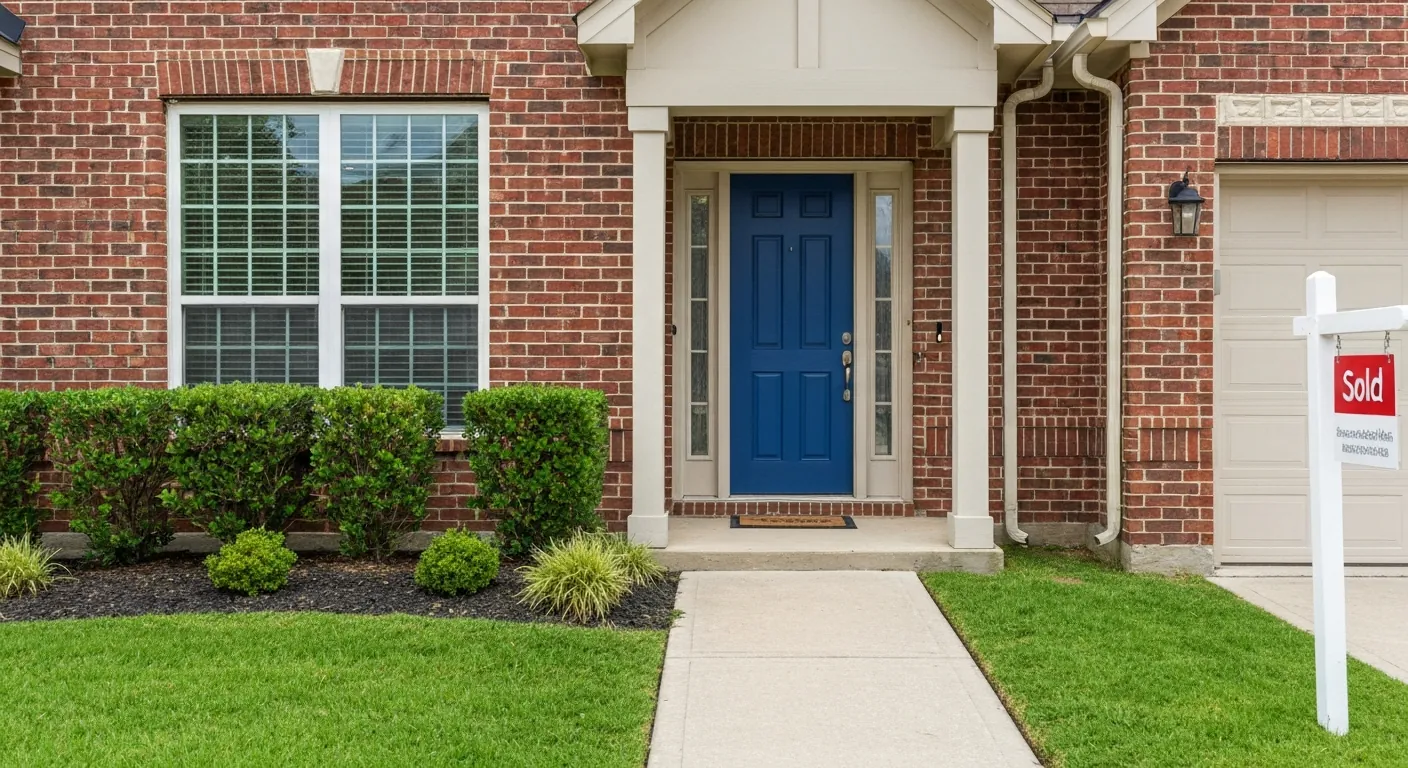
A welcoming first home exterior with a 'SOLD' sign and a bright front door, no.

First-Time Buyers

First-Time Buyer Mistakes to Avoid

The avoidable missteps that cost first-time buyers money, leverage, or the loan itself — and exactly how to sidestep each one, from a licensed loan officer.

See if you qualify~10 minutes · soft credit check to start
  • Direct lender — not a call center
  • NMLS #192103
  • Equal Housing Lender
  • Soft credit check to start
Reviewed by Michael Hernandez, Loan Originator · NMLS #192103, on June 17, 2026
5 min readLast updated June 17, 2026Share

Key takeaways

The most common first-time-buyer mistakes are avoidable: house-hunting before getting pre-approved, draining every dollar of savings into the down payment with nothing left for closing costs and reserves, and opening new credit or financing a car mid-process. Each one weakens your offer or your loan. Get pre-approved first, keep a cash cushion, and freeze new debt until after closing.

The seven mistakes — and the fix for each

The seven mistakes — and the fix for each
MistakeWhy it hurtsThe fix
Shopping before pre-approvalYou don't know your real price range, and offers without a letter get passed overGet pre-approved first; shop with a number in writing
Draining all your savingsLeaves nothing for closing costs, moving, or a surprise repairKeep a cash cushion; consider down-payment assistance
New debt mid-processA new car loan or credit card can change your DTI and re-trigger underwritingFreeze big purchases and new credit until after closing
Skipping the inspectionYou inherit problems you didn't price inKeep an inspection contingency; budget for findings
Maxing out the approvalA payment at your ceiling leaves no room for lifeBuy to a comfortable payment, not the maximum
Forgetting closing costsCash-to-close is more than the down paymentBudget down payment plus closing costs from the start
Changing jobs or incomeLenders re-verify employment right before closingHold major job changes until the loan funds, when possible

Source: Pacific Bay Lending underwriting and origination experience

Why first-timers stumble in the same places

None of these mistakes happen because buyers aren't smart — they happen because nobody told them the rules of a process they've never been through. A mortgage has a particular order of operations, and a move that feels harmless (buying a car, moving money between accounts, taking a new job) can ripple straight into your loan. The good news: every one of these is avoidable once you know it's there.

Mistake 1 — House-hunting before pre-approval

Falling for a home before you know what you can borrow is the classic first-timer trap. You either fall for something out of range, or you lose the right one because you weren't ready to make a credible offer. A seller comparing two offers takes the one with a pre-approval letter attached far more seriously.

Get pre-approved first — it takes about ten minutes, starts with a soft credit check that doesn't affect your score, and gives you a price range in writing before you tour a single home.

Mistake 2 — Draining every dollar into the down payment

Putting every last dollar toward the down payment feels disciplined, but it leaves you exposed. You still need cash for closing costs, moving, and the inevitable first-month repairs — and lenders like to see reserves left over after closing. Wiping out your savings can actually weaken your file.

Keep a cushion. Look into down-payment assistance so you don't have to choose between a down payment and an emergency fund, and use the affordability calculator to size a down payment that leaves you breathing room.

Mistake 3 — Opening new debt in the middle of the process

This is the one that surprises people most. Between your pre-approval and your closing, your credit and income get re-checked — often just days before you sign. Financing a car, opening a store card to furnish the new place, or running up a balance can raise your debt-to-income ratio and re-trigger underwriting. In the worst case, it can derail a loan that was already approved.

The rule is simple: until the loan funds, don't open new credit, don't make big purchases on credit, and don't move large sums between accounts without telling your loan officer. The exciting shopping can wait a few weeks.

The other four worth knowing

  • Skipping the inspection. Waiving it to win a bid can mean inheriting problems you never priced in. Keep an inspection contingency and budget for what it finds.
  • Buying at the very top of your approval. The maximum a calculator allows and a payment you'll be comfortable with for years are two different numbers. Buy to the comfortable one.
  • Forgetting closing costs. Cash-to-close is the down payment plus lender, title, and prepaid items. Budget for both from the start so nothing surprises you at the table.
  • Changing jobs or income mid-process. Lenders re-verify employment right before closing. A voluntary job change or a switch from salary to commission can complicate the file — hold it until the loan funds when you can.

The simplest way to avoid all of them

Every mistake on this list comes down to the same thing: doing the steps in the wrong order, or in the dark. Working with a licensed loan officer from the start — before you shop — front-loads the answers, so the avoidable problems never get a chance to start. Our complete first-time-buyer guide for Tennessee lays out the whole path in order, and a quick pre-approval gets you a real number to work from.

Frequently asked questions

What is the biggest mistake first-time home buyers make?

Shopping for homes before getting pre-approved. Without a pre-approval you don't know your real price range, and an offer without a pre-approval letter gets passed over when a seller has other options. Getting pre-approved first — which starts with a soft credit check — fixes it.

Can I buy a car while buying a house?

It's risky. Lenders re-check your credit and debt-to-income ratio right before closing, and a new car loan can raise your DTI enough to change or derail an approved loan. The safe move is to freeze new debt and big credit purchases until after your mortgage funds.

How much money should I keep in savings after the down payment?

Enough to cover closing costs, moving, and a reserve for early repairs — and lenders generally like to see some reserves left after closing. There's no single number; it depends on your loan and budget. The point is not to drain every dollar into the down payment. We can map this out when you pre-qualify.

Should I waive the home inspection to win a bid?

Generally no, especially as a first-time buyer. An inspection contingency lets you understand what you're buying and negotiate or walk away if there are serious problems. Waiving it means inheriting any issues you didn't price in.

Does changing jobs affect my mortgage?

It can. Lenders re-verify employment right before closing, so a voluntary job change — or a switch from salary to commission income — can complicate or delay the loan. If a change is coming, tell your loan officer early so it can be planned around.

Part of our First-Time Buyers guide.

Related guides

Reviewed by Michael Hernandez, Loan Originator · NMLS #192103

Michael Hernandez is a licensed mortgage loan originator with Pacific Bay Lending (Pacific Bay Lending Corp, NMLS #192103), a direct lender serving Tennessee. This guide is general education — not financial advice, a rate offer, or a commitment to lend. Your situation is reviewed individually when you get pre-qualified.

See your real numbers

Get pre-qualified in about 10 minutes — a soft credit check to start, no impact to your score, and no obligation.

Michael Hernandez, Branch Manager · Pacific Bay Lending Corp NMLS #192103 · Equal Housing Lender. Homes shown are public listings for illustration of what's available in this range — not an offer to make a loan on, or sell, a specific property. This is not a commitment to lend; all loans subject to credit approval, program guidelines, and underwriting.

See if you qualify →