
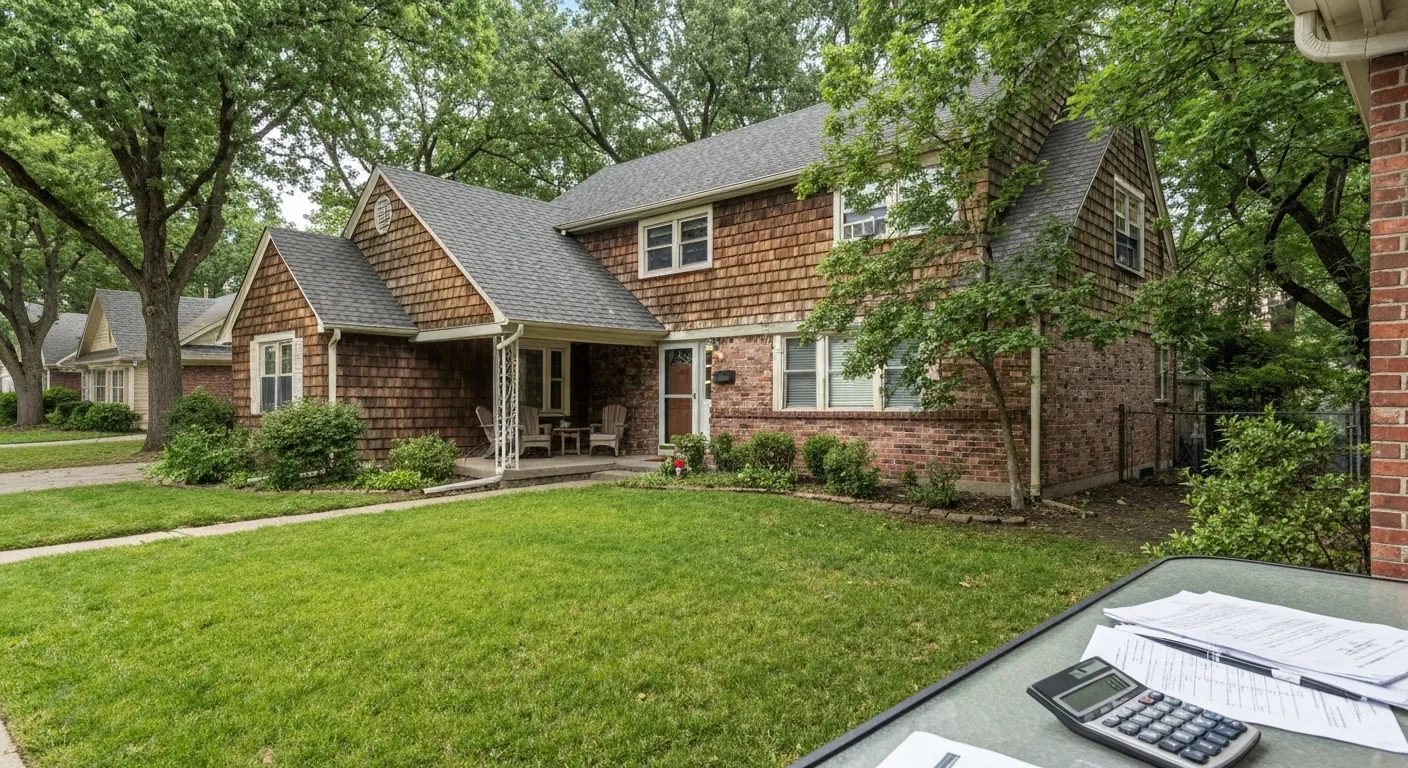
A suburban home exterior with a calculator and documents on a porch table, no.

Home equity

HELOC Document Checklist: What to Gather

The income, asset, equity, and property paperwork a home-equity application needs — in one organized checklist, with tips on how to prep each piece.

Talk through your equity options~10 minutes · soft credit check to start
  • Direct lender — not a call center
  • NMLS #192103
  • Equal Housing Lender
  • Soft credit check to start
Reviewed by Michael Hernandez, Loan Originator · NMLS #192103, on June 17, 2026
5 min readLast updated June 17, 2026Share

Key takeaways

A home-equity application leans on four document groups: income (recent pay stubs, W-2s, and often the last two years of tax returns), assets (recent bank and investment statements), equity and property (your current mortgage statement, homeowners insurance, and the property tax bill), and identity (a government-issued ID). Gathering clean, recent copies of each before you apply is the single biggest thing you can do to keep the process moving.

The home-equity document checklist, by category

The home-equity document checklist, by category
CategoryWhat to gatherWhy it's needed
IncomeRecent pay stubs (about 30 days), W-2s for the last two years, and often the last two years of federal tax returns. Self-employed: business returns and a year-to-date profit-and-lossConfirms you can repay the new payment alongside your existing mortgage
AssetsMost recent statements for checking, savings, and any investment or retirement accounts (all pages)Shows reserves and the source of any funds used at closing
Equity & propertyCurrent mortgage statement, homeowners (hazard) insurance declarations page, most recent property tax bill, and any HOA statementEstablishes what you owe and the property details behind your equity
IdentityA current government-issued photo ID; some files also need a Social Security verificationRequired to verify who you are and pull the application together
Title & ownershipThe recorded deed or prior title policy if you have it; details on any second liens or existing HELOCLets the lender confirm ownership and any other claims against the home

Source: Pacific Bay Lending home-equity underwriting and origination experience

Why an equity application asks for all of this

Borrowing against your home means a lender has to confirm three things: that you can repay the new payment on top of what you already owe (income and assets), how much of the home you actually own (your current balance versus its value), and that the property and your ownership of it check out (insurance, taxes, title). The document list maps directly onto those questions — nothing on it is busywork.

The property value is a central input. For local context, the typical home across our 16,101 active Tennessee listings lists at $499,000 (Pacific Bay Lending live listing data); an appraisal or valuation on your home is what ultimately anchors the equity math, which is why the property documents matter as much as the income ones.

Income documents

Start with the most recent 30 days of pay stubs and your W-2s for the last two years. Many home-equity files also ask for the last two years of federal tax returns, especially if you have variable pay, multiple jobs, or non-W-2 income. If you're self-employed, plan on your business returns plus a year-to-date profit-and-loss statement.

Prep tip: save each as a clean PDF with all pages included. Cell-phone photos of stubs and partial screenshots are the most common cause of a "please resubmit" request.

Asset documents

Provide your most recent statements for checking, savings, and any investment or retirement accounts — all pages, even the blank ones, because underwriting checks page numbers for completeness. These show your reserves and document the source of any money you bring to closing.

Prep tip: if you've recently moved a large sum between accounts, keep the record of the transfer handy. Unexplained large deposits are a routine follow-up question, and having the paper trail ready saves a round of back-and-forth.

Equity and property documents

This group establishes your equity and the property itself: your current mortgage statement (what you still owe), your homeowners insurance declarations page, your most recent property tax bill, and an HOA statement if you have one. If a second lien or an existing HELOC is on the home, gather those details too.

How much you can ultimately borrow depends on your home's value against everything owed on it — the math we walk through in how much home equity you can borrow.

Identity, title, and how to hand it all over

Round it out with a current government-issued photo ID, and have the recorded deed or prior title policy available if you can find it. Organize everything into the four buckets above before you apply; a complete, well-labeled file is the difference between a smooth process and weeks of document chasing.

Not sure whether a line or a lump sum fits what you're funding? Read HELOC vs. home equity loan first, then start a soft-credit pre-qualification (no impact to your score) and a licensed loan officer will tell you exactly which of these documents your specific file needs.
Frequently asked questions

What documents do I need for a HELOC or home equity loan?

Plan on four groups: income (recent pay stubs, W-2s, and often two years of tax returns), assets (recent bank and investment statements, all pages), equity and property (current mortgage statement, homeowners insurance, property tax bill, any HOA statement), and identity (a government-issued photo ID). Self-employed borrowers add business returns and a year-to-date profit-and-loss.

Do I need tax returns for a home equity application?

Often, yes — many home-equity files ask for the last two years of federal tax returns, particularly if you have variable pay, multiple income sources, or are self-employed. A borrower with straightforward W-2 income may not always need them. Your loan officer will confirm what your specific file requires.

How do I prove how much equity I have?

Your equity comes from your home's value minus what you still owe. You document the 'owe' side with your current mortgage statement (and any second lien or HELOC details); the value side is established by the lender's appraisal or valuation during the application. The property tax bill and insurance declarations support the property details.

How can I make my home-equity application go faster?

Gather clean, complete PDFs of every document before you apply, organized into the income, asset, property, and identity buckets — all pages included. Keep records of any recent large deposits or transfers handy. A complete file up front is the single biggest thing that prevents the back-and-forth that slows applications down.

Part of our Home Equity guide.

Related guides

Reviewed by Michael Hernandez, Loan Originator · NMLS #192103

Michael Hernandez is a licensed mortgage loan originator with Pacific Bay Lending (Pacific Bay Lending Corp, NMLS #192103), a direct lender serving Tennessee. This guide is general education — not financial advice, a rate offer, or a commitment to lend. Your situation is reviewed individually when you get pre-qualified.

See your real numbers

Get pre-qualified in about 10 minutes — a soft credit check to start, no impact to your score, and no obligation.

Michael Hernandez, Branch Manager · Pacific Bay Lending Corp NMLS #192103 · Equal Housing Lender. Homes shown are public listings for illustration of what's available in this range — not an offer to make a loan on, or sell, a specific property. This is not a commitment to lend; all loans subject to credit approval, program guidelines, and underwriting.

Talk through your equity options →