
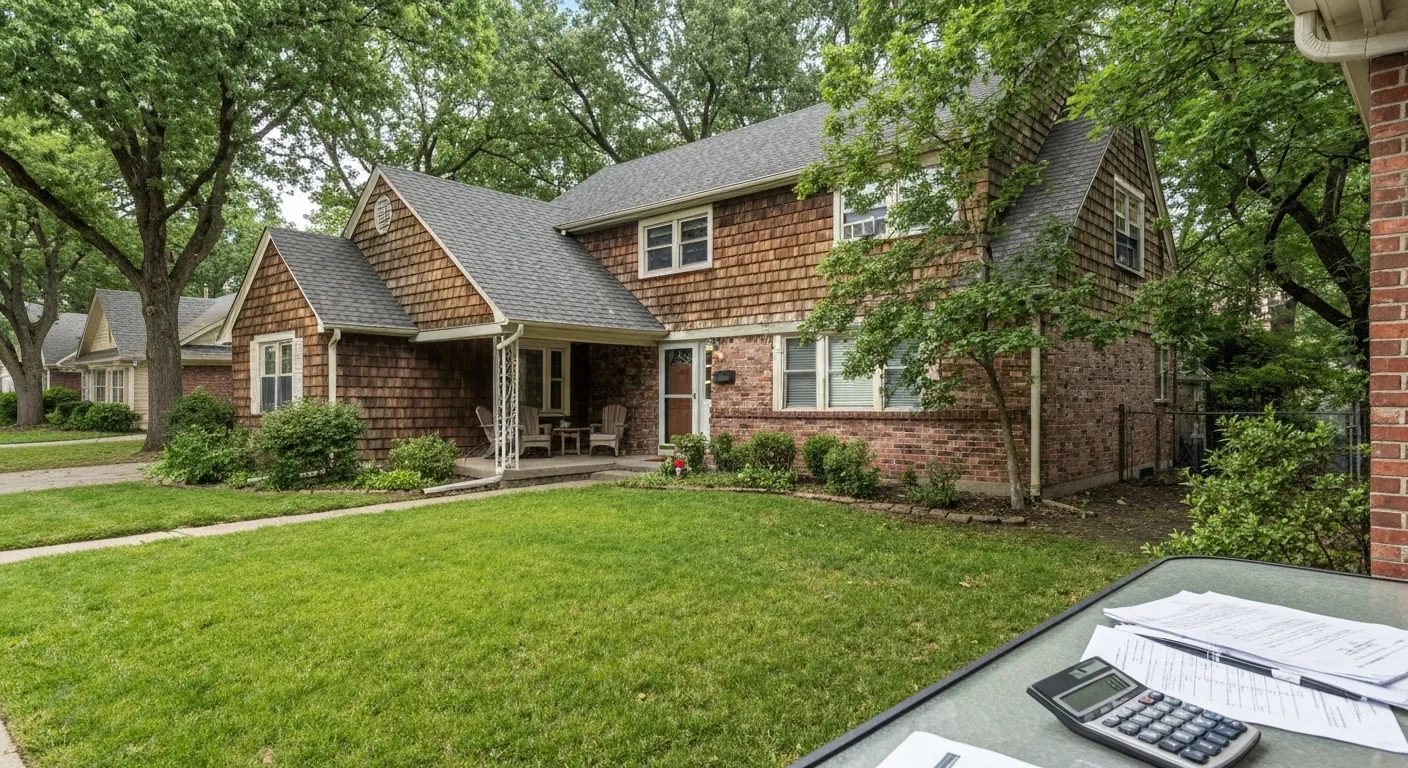
A suburban home exterior with a calculator and documents on a porch table, no.

Home equity

When to Use Home Equity (and When Not To)

An even-handed look at when borrowing against your home tends to fit a goal and when it doesn't — the trade-offs, the real risks, and how to decide on your own numbers.

Talk through your equity options~10 minutes · soft credit check to start
  • Direct lender — not a call center
  • NMLS #192103
  • Equal Housing Lender
  • Soft credit check to start
Reviewed by Michael Hernandez, Loan Originator · NMLS #192103, on June 17, 2026
6 min readLast updated June 17, 2026Share

Key takeaways

Home equity is not a cost-free windfall — it's a loan secured by your home, which means the home is collateral. That single fact frames every use of it. Borrowing against equity can fit a purpose that adds lasting value or addresses a genuine need, when you can comfortably carry the new payment. It fits poorly for short-lived wants, for spending you can't repay, or any time the trade-off — putting your home on the line — outweighs the benefit. It's a personal-numbers decision, not a rule.

Weighing a use of home equity — questions to ask

Weighing a use of home equity — questions to ask
Question to ask yourselfWhy it matters
Can I comfortably afford the new payment on top of my mortgage?The debt is secured by your home; missing payments can put the home at risk
Is what I'm funding lasting, or short-lived?Borrowing against a long-term asset for a short-term want is rarely a good trade
Have I compared every alternative?Savings, a shorter-term unsecured option, or waiting may carry less risk for some goals
What happens if my income or home value changes?A variable-rate line or a future value drop can change the picture after you borrow
Does the benefit clearly outweigh putting my home on the line?If it's close, that uncertainty is itself a reason to pause

Source: Federal Reserve, “What You Should Know About Home Equity Lines of Credit” — risk disclosures

Start here: equity is borrowed, not found

It's tempting to think of home equity as money sitting there waiting to be used. It isn't. Tapping it means taking on a loan that's secured by your home — if you can't repay, the lender can ultimately foreclose. That's the central trade-off behind every scenario below, and it's why the right answer is never automatic.

The stakes are real because the asset is large: the typical home across our 16,101 active Tennessee listings lists at $499,000 (Pacific Bay Lending live listing data). Borrowing against something that significant deserves a careful, numbers-first decision rather than a quick one.

Situations where it can fit

Borrowing against equity tends to make more sense when the use is durable and you can comfortably carry the payment. A few examples people commonly consider:

  • Home improvements that add lasting value or function. Funding a renovation reinvests in the same asset you're borrowing against — though there's no guarantee any project returns its cost.
  • A single, planned, high-value expense you have a clear plan to repay, where a fixed lump sum and predictable payment fit the budget.
  • Bridging a genuine, time-bound need when you've compared the alternatives and the payment fits comfortably within your income.

Even in these cases, "can fit" is conditional on the payment being comfortable and the benefit clearly outweighing the risk — not a blanket endorsement.

Situations where it usually doesn't

  • Short-lived wants — a vacation, a wedding, or anything you'll still be paying for long after it's over. Borrowing against a long-term asset for a short-term want is a poor trade.
  • Covering a gap you can't actually repay. If the underlying problem is that spending outpaces income, secured borrowing can deepen the risk rather than resolve it — and it puts the home at stake.
  • Anything where the payment is a stretch. If carrying the new payment alongside your mortgage would be tight, the risk to your home outweighs most benefits.

A neutral word on consolidating other debt

One common idea is using equity to roll several balances into a single payment. Whether that's sensible depends entirely on the specifics, and it cuts both ways. On one hand, it can simplify multiple payments into one. On the other, it converts unsecured debt (which isn't tied to your home) into debt that is secured by your home — so a balance you could previously walk away from at worst now sits behind your house. And stretching a balance over a longer repayment period can mean paying more interest in total, even if the periodic rate is lower.

It is not automatically a win, and it is not a cost-free windfall. If you're considering it, treat it as a serious trade-off to analyze with real numbers — including what happens if your income changes — not a shortcut. A licensed loan officer can lay the math out honestly, in both directions.

How to make the call

Work through the questions in the table above for your own situation. If a use is durable, the payment is comfortable, you've compared the alternatives, and the benefit clearly outweighs putting your home on the line, equity may fit. If any of those is shaky — especially the payment — that's a strong signal to pause.

Two things help you decide on facts rather than feel: understand how much you could borrow and which product structure fits. When you want it run against your real numbers, a soft-credit pre-qualification (no impact to your score) lets a licensed loan officer walk through whether it makes sense for you — with no obligation and no rate quote until your file is reviewed.
Frequently asked questions

Is it a good idea to use home equity?

It depends entirely on your situation. Home equity is borrowed money secured by your home, so the home is collateral. It can fit a durable use — like a value-adding renovation or a single planned expense — when you can comfortably carry the new payment. It fits poorly for short-lived wants or spending you can't repay. It's a personal-numbers decision, not a rule.

What are the risks of borrowing against home equity?

The central risk is that the loan is secured by your home: if you can't keep up with payments, the lender can ultimately foreclose. A variable-rate line can also see payments change over time, and a future drop in your home's value can leave you owing more relative to what it's worth. These risks are why the decision deserves careful analysis.

Should I use home equity to consolidate debt?

It's a serious trade-off, not an automatic win. Rolling balances into one payment can simplify things, but it converts unsecured debt into debt secured by your home, and stretching a balance over a longer period can increase the total interest you pay. It is not a cost-free windfall. Run the real numbers — in both directions — with a licensed loan officer before deciding.

When does it not make sense to tap home equity?

Generally for short-lived wants you'll be paying off long after they're gone, for covering a gap you can't realistically repay, or any time the new payment would be a stretch on top of your mortgage. In each case, the risk of putting your home on the line tends to outweigh the benefit.

What should I consider before using home equity?

Ask whether you can comfortably afford the new payment, whether what you're funding is lasting or short-lived, whether you've compared every alternative, what happens if your income or home value changes, and whether the benefit clearly outweighs putting your home on the line. If it's a close call, that uncertainty is itself a reason to pause.

Part of our Home Equity guide.

Related guides

Reviewed by Michael Hernandez, Loan Originator · NMLS #192103

Michael Hernandez is a licensed mortgage loan originator with Pacific Bay Lending (Pacific Bay Lending Corp, NMLS #192103), a direct lender serving Tennessee. This guide is general education — not financial advice, a rate offer, or a commitment to lend. Your situation is reviewed individually when you get pre-qualified.

See your real numbers

Get pre-qualified in about 10 minutes — a soft credit check to start, no impact to your score, and no obligation.

Michael Hernandez, Branch Manager · Pacific Bay Lending Corp NMLS #192103 · Equal Housing Lender. Homes shown are public listings for illustration of what's available in this range — not an offer to make a loan on, or sell, a specific property. This is not a commitment to lend; all loans subject to credit approval, program guidelines, and underwriting.

Talk through your equity options →