How a HELOC Down Payment Actually Works, Step by Step
A home equity line of credit is a revolving second mortgage against a property you already own. You are approved for a credit limit based on your available equity, then you draw what you need, pay it down, and can draw again during the draw period. Plenty of Tennessee homeowners use that line to free up cash for the next purchase instead of selling first and renting in the gap.
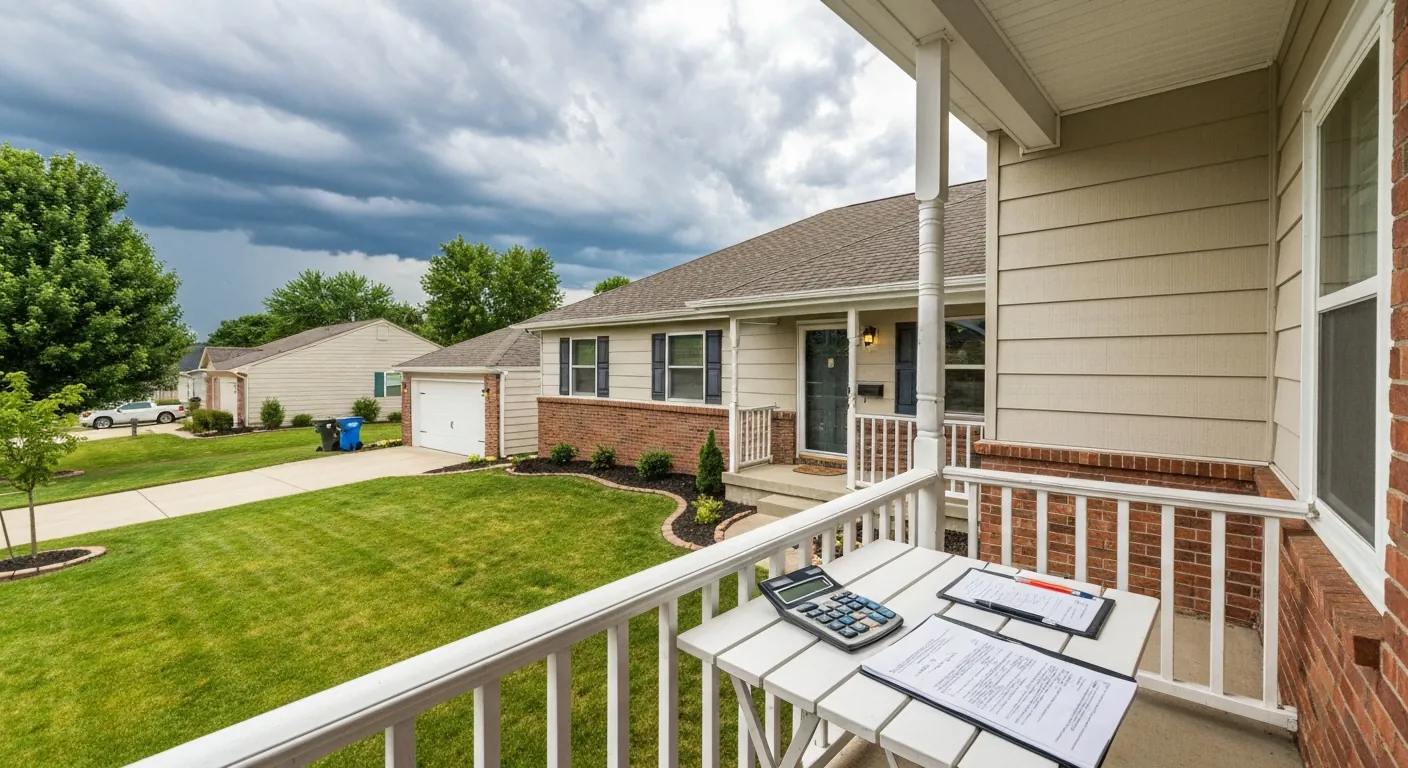
In practice, I see the same sequence on these files: you open the HELOC on your current home, draw the amount you plan to put down, document the funds landing in your account, and bring them to closing on the new property. The new home then gets its own first mortgage. From that point you are servicing three things at once — your existing mortgage, the HELOC, and the new loan — which is exactly why the underwriter scrutinizes whether all three payments fit your income.
Under the Fannie Mae Selling Guide (B3-4.3-15), borrowed funds secured by an asset — including a HELOC or home equity loan on a property you own — are an acceptable source of down payment, closing costs, and reserves, because they represent a return of your own equity. That is the rule that makes this strategy legitimate rather than a workaround. The lender just has to document the line's terms, confirm the entity lending the money is not a party to the sale, and verify the funds actually moved to you.
- Open or use a HELOC on the home you currently own before you close on the next one.
- Draw the cash you plan to put down and document the transfer into your account.
- Bring those funds to closing as the down payment on the new property.
- Plan to carry your existing mortgage, the HELOC, and the new first mortgage simultaneously.
The DTI Trade-Off Most Borrowers Miss
Here is the part that trips people up. The moment you borrow against your current home, you create a new monthly obligation, and your new-home lender is required to count it. Fannie Mae directs the lender to include the HELOC payment as recurring debt in your debt-to-income (DTI) ratio. So even though the line solves your cash-to-close problem, it can shrink the loan amount you qualify for on the next house. The money you pulled out does not disappear from the math — it shows up on the other side of the ledger.
Picture the file from the underwriter's seat. Your monthly obligations now include the existing mortgage, the HELOC payment, the new loan's principal, interest, taxes, and insurance, plus auto loans, student loans, and minimum credit-card payments — all measured against your gross monthly income. If that combined number runs high, the file gets tight. This is a program you qualify for on credit and DTI, not a guaranteed approval, and I would rather show you that ceiling before you draw than after.
A practical detail for Tennessee buyers: a HELOC payment moves as you draw, repay, and as the underlying index shifts. Lenders generally size your DTI off the payment tied to the outstanding balance, so the more you draw, the bigger the obligation they count against you. Drawing only what you actually need for the down payment — rather than maxing the line because it is available — is the single easiest way to keep your ratio healthy.
- The HELOC payment is added to your DTI on the new loan.
- Underwriting stacks current mortgage + HELOC + new mortgage + other debts against your income.
- Drawing less from the line keeps the counted payment — and your DTI — lower.
- Second homes and investment properties often require several months of reserves on top of the down payment.
When a HELOC Down Payment Makes Sense in Tennessee
The cleanest fit is a buyer who already owns a Tennessee home with real equity and wants to add a second property — a place near one of the Cumberland or Tennessee River reservoirs, a unit in the Nashville or Knoxville metro, or a rental. Conventional financing on a second home generally asks for more money down than a primary residence, and a HELOC on your existing home is a recognized way to assemble that down payment without liquidating investments or retirement accounts.
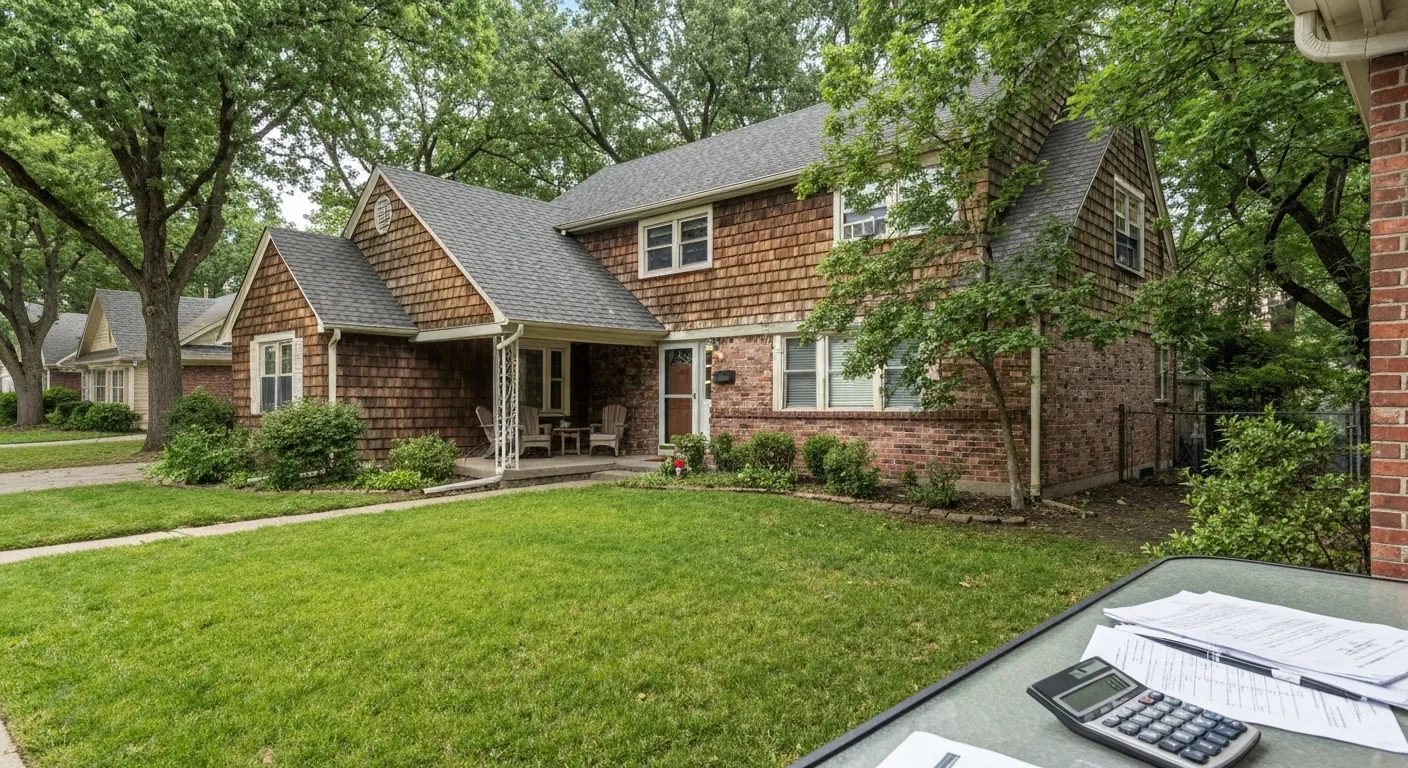
The second strong use case is a bridge. Say you own in Clarksville (Montgomery County) and you are buying in Murfreesboro (Rutherford County) before your current house sells. A HELOC lets you pull the down payment now and pay the line off when your sale closes, so you can write a clean offer instead of a sale-contingent one. The honest caveat I give every bridge borrower: budget for the scenario where the sale takes longer than planned and you are carrying both homes and the line for a few extra months.
Where a HELOC is usually the wrong tool: a first-time buyer with little or no equity. You cannot draw on a line that does not exist yet. If you are buying your first home in Tennessee, THDA Great Choice Plus down payment assistance is built for exactly that gap, and a VA loan (common around Fort Campbell and Clarksville) or a USDA loan in an eligible rural Tennessee county can require no down payment at all. The next section lines those up side by side.
- Buying a second home or investment property when you already hold equity to tap.
- Bridging the gap between buying the next home and selling the current one.
- Writing a non-contingent offer when your existing home has not closed yet.
- Usually NOT a fit for a first-time buyer with little equity — look at THDA, VA, or USDA first.
HELOC vs. THDA, VA, and USDA: Down-Payment Paths Compared
A HELOC is one of several ways to cover a down payment in Tennessee, and it competes directly with programs built for buyers who do not want to — or cannot — pull equity. The right answer turns on three questions: do you already own a home, are you a first-time buyer, and where does the property sit. The table below compares each path on the down-payment angle alone. None of these is a guaranteed approval — every one still requires you to qualify on credit, income, and DTI.
For first-time and eligible Tennessee buyers, THDA's Great Choice Plus pairs a Great Choice first mortgage with a second-lien down payment assistance loan. The structure comes two ways: a $6,000 deferred, no-interest option with no monthly payment, forgiven at the end of the 30-year term (and due if you sell, refinance, or pay off the first mortgage before then), or an amortizing option of up to 5% of the sales price capped at $15,000, repaid monthly over the term. That is a fundamentally different mechanism than borrowing against your own equity with a HELOC — and for a buyer without equity, it is usually the better starting point.
What to Bring Your Loan Officer
Because a HELOC-funded purchase touches two properties and three loans, documentation carries the file. Fannie Mae's guideline requires the lender to document the terms of the secured loan, confirm the entity lending the funds is not a party to the sale, and show the money actually transferred to you. Pulling those items together before you apply keeps underwriting moving instead of stalling on a conditions list.
The single most important thing — and I will say it plainly — is to disclose the HELOC up front. Using borrowed money to close without telling your lender is mortgage fraud, and it surfaces almost immediately when underwriting pulls credit and reads your bank statements. There is nothing wrong with a HELOC-funded down payment when it is on the table and documented. The only version that gets people in trouble is the hidden one.
Before you draw a dollar, a licensed Tennessee loan officer can run your real numbers across both mortgages and the line so you know whether the new payment fits and how much of the HELOC to actually use. When you are ready to see where you stand, you can get pre-qualified.
- The HELOC agreement showing the limit, terms, and the payment.
- Proof the funds moved into your account — statements or transfer records.
- Your current mortgage statement with the balance and payment.
- Two years of income documentation and a clear picture of your other monthly debts.
- A heads-up to your loan officer that the down payment is coming from a HELOC.